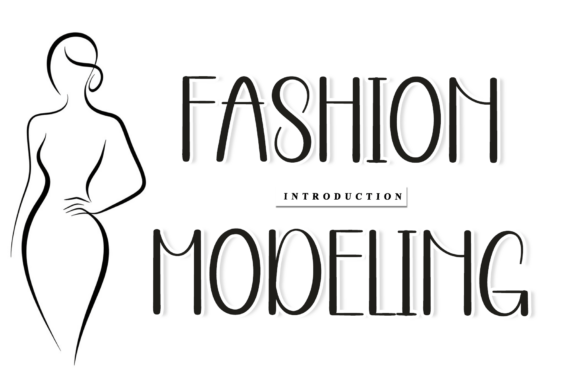
Fashion Modeling: A Timeless Script for Branding
There’s something undeniably elegant about a handwritten font that feels both personal and professional. I’ve been working on a branding project for a small boutique that sells handmade jewelry and accessories, and I needed a font that could capture the charm and creativity of their brand. After testing several options, I settled on Fashion Modeling. It’s not just another script—it’s a typeface with personality, character, and a subtle sophistication that makes it stand out.
The First Impressions
I started by opening my brand board and sketching out some rough ideas for the logo. The client wanted something that felt warm, approachable, and a little bit artistic. Fashion Modeling immediately caught my eye. Its flowing, handwritten style gave it an organic feel, while the clean lines and consistent stroke weight made it feel refined. It wasn’t too messy, which is a common issue with many script fonts. Every letter had its own unique touch, but they all worked together to create a cohesive look.
I tested it in a few different ways—first as a standalone logo, then paired with a sans-serif body text. It looked great on both. The font has a natural rhythm that makes it easy to read, even at smaller sizes. That’s a big plus when designing for digital platforms or printed materials where space is limited.
How Fashion Modeling Works in Design
Fashion Modeling is versatile enough to work in multiple design contexts. For this boutique, I used it as the primary font for the logo and tagline. It also appeared on packaging, social media graphics, and even in the website header. Here are a few examples of how it performed:
- Logo Design: The font added a soft, handcrafted feel to the logo without being too ornate. It felt like a signature, something that would be instantly recognizable.
- Brand Identity: When paired with a modern sans-serif font for body text, Fashion Modeling created a nice contrast that highlighted the brand’s creative side while maintaining professionalism.
- Product Labels: On product tags and packaging, the font was legible and added a sense of warmth and authenticity.
- Social Media Graphics: It worked well in Instagram posts and Facebook banners, especially when used in short phrases or quotes.
- Website Headers: The font looked great in hero sections and call-to-action buttons, drawing the eye naturally.
One thing I noticed early on was that Fashion Modeling works best as a display font or headline font. It’s not ideal for long blocks of text, but it shines when used strategically. For example, it’s perfect for headlines, taglines, and short-form content like social media captions or product descriptions.
Pairing and Compatibility
When it comes to font pairing, Fashion Modeling pairs well with a variety of styles. In this project, I chose a sleek sans-serif font for the body text to balance out the script. The contrast between the two made the design feel more dynamic and visually interesting.
If you’re looking for a complementary font, consider pairing Fashion Modeling with a serif font for a classic, elegant look or a modern sans-serif for a contemporary feel. It also works well with other script fonts if you want to create a layered typographic effect.
Another thing to note is that Fashion Modeling includes a range of weights and alternates, which adds flexibility to your design. This is especially useful when creating different versions of the same brand material, such as business cards, packaging, and website headers.
Practical Tips for Using Fashion Modeling
Before committing to a font for a full brand system, I always recommend testing it in various contexts. Try using it on different mediums—print, digital, signage—and see how it looks in different sizes and colors. Fashion Modeling holds up well across most applications, but it’s always good to have a backup plan.
Also, make sure to check the font’s licensing terms. Since it’s a commercial font from Script Amp, you can use it for both personal and professional projects, which is a big plus for freelancers and small businesses. The font supports multiple languages, which is helpful if your brand operates internationally.
Finally, don’t forget to include it in your design assets. Whether it’s for a website, social media, or print materials, having the right file formats and styles available will save you time and ensure consistency across all brand touchpoints.
Final Thoughts
Working with Fashion Modeling has been a rewarding experience. It brings a unique aesthetic to any project without sacrificing readability or professionalism. Whether you’re designing a logo, a website, or a product label, this font offers a timeless appeal that resonates with both designers and clients.
If you’re looking for a script font that balances creativity with practicality, Fashion Modeling is definitely worth considering. It’s a great addition to any designer’s toolkit, especially for those who value both visual appeal and functional typography in their work.